
Ingredienti
Benvenutə nel dizionario degli ingredienti di Lumessentials. Questa è la pietra miliare del nostro impegno verso la trasparenza e l'informazione. Qui elenchiamo ogni singolo ingrediente che troverete nei nostri prodotti. Crediamo che la cura della pelle debba iniziare imparando a leggere l'elenco INCI e a capire cosa applicate sul viso – e perché si trova nella formula.
Gli ingredienti sono raggruppati in base alla funzione che svolgono all'interno della formula. Poiché molti ingredienti hanno più di una funzione, li troverai in diverse categorie. Il nostro obiettivo è darti gli strumenti giusti attraverso la conoscenza, trasformando la curiosità in consapevolezza. Ci auguriamo che questa diventi la tua risorsa di fiducia per fare scelte d'acquisto informate, ovunque tu decida di fare shopping.
- Tutti (in ordine alfabetico)
- Antiossidanti
- Astringente
- Tamponante
- Chelante
- Emolliente
- Emulsionante
- Stabilizzante dell'emulsione
- Fragrance
- Gelificante
- Umettante
- Occlusivo
- Regolatore del pH
- Conservante
- Emolliente cutaneo
- Solvente
- Tensioattivo
- Controllo della viscosità
- Aletris Farinosa Root Extract
- Aloe Barbadensis Leaf Juice
- Ascorbyl Palmitate
- Avena Sativa Kernel Extract
- Aqua
- Bakuchiol
- Benzyl Alcohol
- Benzyl Glycol
- Caprlylic/Capric Triglyceride
- Caprylyl Glycol
- Carbomer
- Chamomilla Recutita Flower Water
- Cetearyl Alcohol
- Cetyl Alcohol
- Citric Acid
- Citronellol
- Cocos Nucifera Oil
- Curcubita Pepo (Pumpkin) Seed Extract
- Daucus Carota Sativa (Carrot) Root Extract
- Decylene Glycol
- Dicaprylyl Ether
- Ethylhexylglycerin
- Geraniol
- Glucose
- Glycerin
- Glyceryl Stearate
- Glyceryl Stearate Citrate
- Glycine
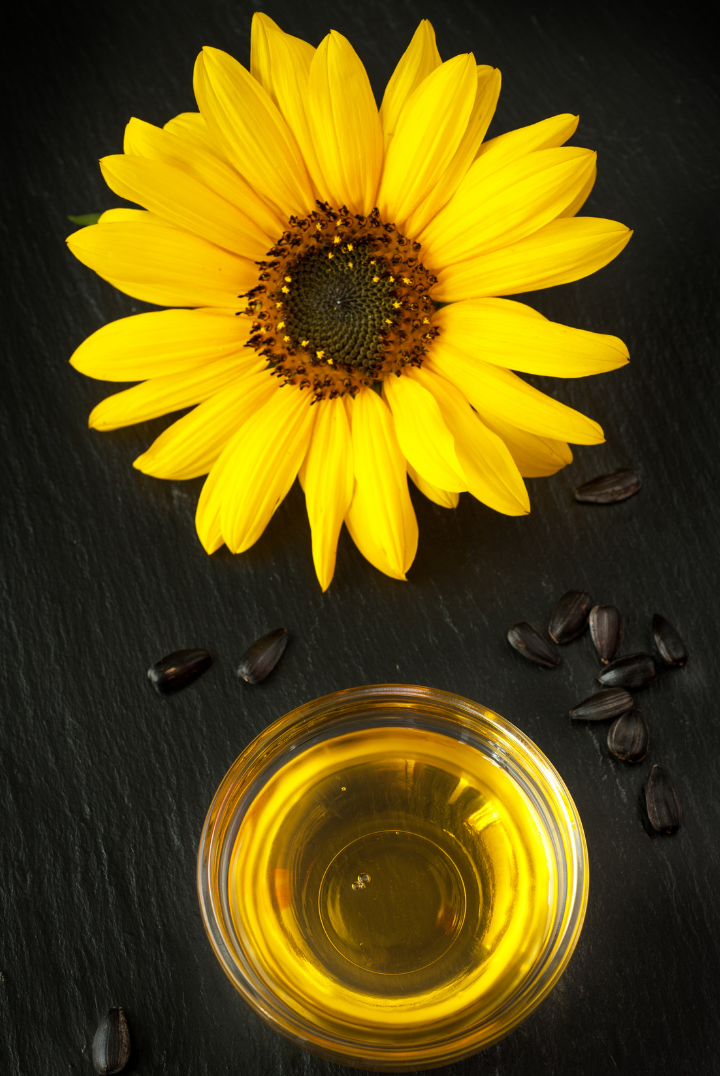
- Helianthus Annuus (Sunflower) Seed Oil
- Hyaluronic Acid
- Hydrolized Glycosaminoglycans
- Hydrolized Wheat Protein
- Hydroxycitronellal
- Acido lattico
- Lecithin
- Linalool
- Macadamia Ternifolia Seed Oil
- Oryza Sativa (Rice) Bran Oil
- Panthenol
- Parfum (Fragrance)
- Persea Gratissima (Avocado) Oil
- Phenoxyethanol
- Potassium Sorbate
- Propanediol
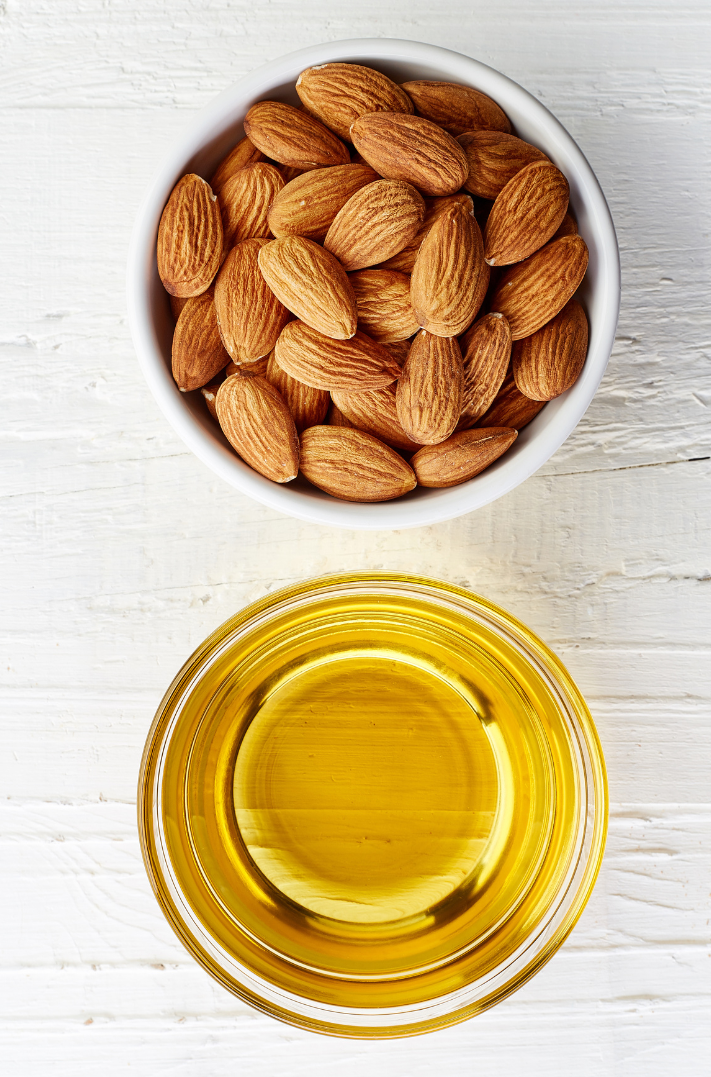
- Prunus Amygdalus Dulcis Oil
- Raspberry Ketone
- Rosa Canina Fruit Extract
- Sodium Anisate
- Sodium Ascorbyl Phosphate
- Sodium Benzoate
- Sodium Citrate
- Sodium Glutamate
- Sodium Hyaluronate
- Sodium Hyaluronate Crosspolymer
- Sodium Hydroxide
- Sodium Lauroyl Lactylate
- Sodio PCA
- Sorbitolo
- Sucrose Laurate
- Sucrose Palmitate
- Sucrose Stearate
- Tetramethyl Acetyloctahydronaphthalenes
- Tetrasodium Glutamate Diacetate
- Tocopherol
- Tocopheryl Acetate
- Urea
- Xanthan Gum
- Zea Mays (Corn) Germ Oil
Antioxidants protect the skin and the formula itself from oxidative damage. In skincare, antioxidants serve a dual purpose:
- For the skin: They neutralize free radicals caused by UV exposure and pollution, helping to prevent premature aging, dullness, and support skin health.
- For the formula: They stabilize other ingredients (like oils and active compounds) by preventing them from breaking down and oxidizing, thereby maintaining the product’s potency, color, and scent over time.
In our products:
Astringent ingredients produce a temporary tightening or toning sensation on the skin by causing a mild contraction of the skin’s proteins. This function can help refine the appearance of pores and reduce excess surface oil, providing a smooth, mattified finish. It is important to note that astringents should be used appropriately for skin type to avoid over-drying.
In our products:
Buffering ingredients or a system of ingredients are used to adjust and stabilize the pH level of a product. Buffering agents help maintain the product within an optimal, skin- and formula-friendly pH range, ensuring both the comfort of the skin upon application and the stability and effectiveness of the active ingredients in the formula.
Some buffering agents also act as pH regulators. While all buffering agents are pH regulators, not all pH regulators are strong buffers.
- A simple pH regulator (like citric acid or sodium hydroxide) is used to set the initial pH.
- A buffering agent (like a citrate or phosphate buffer system) is a specialized type of pH regulator designed to actively resist changes to that pH, maintaining stability against external factors like minor contamination or ingredient degradation over time.
In practice, a formulator often uses a buffer system to both regulate e maintain the target pH, making these terms functionally intertwined.
In our products:
Chelating agents bind to and deactivate metal ions (like calcium and iron) in water or within a formula. This prevents these minerals from destabilizing the product, causing discoloration, or reducing the efficacy of other ingredients. This helps improve the formula’s overall stability, appearance, and shelf life.
In our products:
Emollients soften, smooth, and condition the skin’s surface by filling in the gaps between skin cells. Emollients improve the skin’s texture and flexibility, creating a smooth, supple feel and helping to reinforce the skin’s natural barrier.
Molti emollienti, specialmente oli e burri, fungono anche da occlusivi. This is because their chemical structure allows them to form a protective, hydrophobic (water-repelling) film on the skin’s surface. This dual action softens the skin e aiuta a prevenire la perdita di acqua transepidermica (TEWL), rendendoli fondamentali sia per un comfort immediato che per un'idratazione a lungo termine.
In our products:
- Helianthus Annuus (Sunflower) Seed Oil
- Caprlylic/Capric Triglyceride
- Cetearyl Alcohol
- Cetyl Alcohol
- Dicaprylyl Ether
- Glyceryl Stearate
- Lecithin
- Macadamia Ternifolia Seed Oil
- Oryza Sativa (Rice) Bran Oil
- Persea Gratissima (Avocado) Oil
- Prunus Amygdalus Dulcis Oil
- Sucrose Laurate
- Sucrose Palmitate
- Sucrose Stearate
- Zea Mays (Corn) Germ Oil
Emulsifying ingredients allow two normally immiscible substances – typically oil and water – to combine into a stable, uniform mixture (an emulsion). Emulsifiers work by reducing surface tension, preventing the phases from separating. They are fundamental to the texture, stability, and performance of many skincare products, like lotions and creams.
Many ingredients serve a dual purpose. A single molecule can act as both an emulsifier (by creating the initial blend) and a stabilizer (by reinforcing the droplet structure and preventing coalescence). Furthermore, specialized stabilizers are often used in conjunction with primary emulsifiers to enhance a formula’s resilience against temperature changes, pH shifts, and time. This synergy is crucial for creating a product that is not only well-mixed but also remains consistently effective and pleasant to use throughout its shelf life.
In our products:
Emulsion stabilising ingredients help maintain the long-term stability and uniform texture of an emulsion (a mixture of oil and water). While emulsifiers are responsible for the initial blend, stabilizers work to prevent the mixture from separating or changing consistency over time, ensuring the product’s performance and aesthetic qualities remain intact from first use to last.
Many ingredients serve a dual purpose. A single molecule can act as both a stabilizer (by reinforcing the droplet structure and preventing coalescence) and an emulsifier (by creating the initial blend for the emulsion). Furthermore, specialized stabilizers are often used in conjunction with primary emulsifiers to enhance a formula’s resilience against temperature changes, pH shifts, and time. This synergy is crucial for creating a product that is not only well-mixed but also remains consistently effective and pleasant to use throughout its shelf life.
In our products:
Fragrance is an ingredient (or blend of ingredients) added to a formula primarily to provide a specific scent. In skincare, fragrances can be derived from natural essential oils or created synthetically. While they enhance the sensory experience, it is important to note that fragrance components are a common cause of skin sensitivity or allergic reactions for some individuals.
At Lumessentials, we formulate for skin health first. We use only minimal, skin-safe natural fragrance components where absolutely necessary for product integrity.
In our products:
An ingredient that creates a semi-solid, cohesive network within a liquid, giving the formula a distinct gel-like texture and structure. This function provides unique sensory properties, such as a smooth, non-greasy application and a fresh, lightweight feel, while also helping to stabilize and suspend other ingredients within the formula.
Many gel-forming agents are also powerful viscosity controllers. This is because the process of creating a gel network inherently increases a liquid’s thickness and resistance to flow.
- A viscosity controller might simply thicken a liquid.
- A gel-forming agent creates a structured, semi-solid network that results in a specific type of high viscosity with unique, non-dripping, and often cushiony properties.
Therefore, gel formation is a specialized subset of viscosity control that delivers a distinct textural result. A single ingredient, like xanthan gum or carbomer, can perform both functions simultaneously.
In our products:
Humectants attract and bind moisture from the air and from the deeper layers of the skin, drawing it to the skin’s surface. Humectants work by increasing the water content of the top layer of the skin (the stratum corneum), resulting in improved hydration, a plumped appearance, and a softer feel.
In our products:
Occlusives form a protective, hydrophobic (water-repelling) layer on the skin’s surface. This physical barrier primarily functions to slow down transepidermal water loss (TEWL), helping to seal in hydration and support the skin’s natural moisture barrier. Common occlusives include waxes, certain oils, and silicones.
La maggior parte degli occlusivi è classificata anche come emollienti. This is because the same oils, waxes, and lipids that create a protective barrier also possess the ability to fill in microscopic cracks between skin cells. Therefore, a single ingredient often performs the dual function of sealing in moisture (occlusion) while simultaneously smoothing and softening the skin’s texture (emollience).
In our products:
An ingredient or system that establishes, adjusts, and maintains a product’s acidity or alkalinity (pH) to an optimal, stable level. This function ensures two key things:
- Formula stability and efficacy: The chemical environment is correct for the stability and intended function of the active ingredients.
- Skin compatibility: The product’s pH is optimized to be non-irritating and supportive of the skin’s natural acid mantle.
Some pH regulators also act as buffering agents. While all buffering agents are pH regulators, not all pH regulators are strong buffers.
- A simple pH regulator (like citric acid or sodium hydroxide) is used to set the initial pH.
- A buffering agent (like a citrate or phosphate buffer system) is a specialized type of pH regulator designed to actively resist changes to that pH, maintaining stability against external factors like minor contamination or ingredient degradation over time.
In practice, a formulator often uses a buffer system to both regulate e maintain the target pH, making these terms functionally intertwined.
In our products:
Preservatives prevent the growth of harmful microorganisms (like bacteria, mold, and yeast) in a product. This function is critical for ensuring the product remains safe, stable, and effective throughout its shelf life and during consumer use, protecting both the integrity of the formula and the health of the skin.
Preservatives are primarily essential in formulas that contain water (Aqua ). Water is a fundamental requirement for microbial growth. Therefore, anhydrous (water-free) products, such as pure oils, balms, or powders, typically do not require traditional preservatives. Oils and oil blends typically contain an antioxidant (Tocopherol) that prevents oils from going rancid.
A formulator’s decision to include a preservative is a direct and responsible response to a product’s composition, prioritizing consumer safety above all.
In our products:
Skin conditioning ingredients are a broad functional category that improves the overall appearance, texture, and feel of the skin by enhancing its suppleness, smoothness, and softness. Unlike ingredients that target a specific cellular function, skin conditioners work primarily on the surface and upper layers to deliver immediate sensory benefits and improve skin comfort.
Skin conditioning is often the result achieved by other, more specific functional ingredients. For example:
- Umettanti condition the skin by attracting and binding moisture, which directly improves hydration and plumpness.
- Emollients condition the skin by smoothing and softening the surface, filling in microscopic cracks.
Therefore, a single ingredient (like glycerin or squalane) can be accurately described as both a humectant e da una skin conditioner, or an emollient e da una skin conditioner, as these functions are complementary and interdependent in achieving the final sensory and visual benefit.
In our products:
- Aletris Farinosa Root Extract
- Aloe Barbadensis Leaf Juice
- Avena Sativa Kernel Extract
- Bakuchiol
- Caprylyl Glycol
- Cocos Nucifera Oil
- Curcubita Pepo (Pumpkin) Seed Extract
- Daucus Carota Sativa (Carrot) Root Extract
- Decylene Glycol
- Dicaprylyl Ether
- Glycerin
- Glyceryl Stearate
- Glyceryl Stearate Citrate
- Glycine
- Hyaluronic Acid
- Hydrolized Glycosaminoglycans
- Hydrolized Wheat Protein
- Acido lattico
- Lecithin
- Oryza Sativa (Rice) Bran Oil
- Panthenol
- Persea Gratissima (Avocado) Oil
- Prunus Amygdalus Dulcis Oil
- Rosa Canina Fruit Extract
- Sodium Glutamate
- Sodium Hyaluronate
- Sodium Hyaluronate Crosspolymer
- Sodio PCA
- Sorbitolo
- Tocopherol
- Tocopheryl Acetate
- Urea
- Zea Mays (Corn) Germ Oil
Solvents are typically liquids used to dissolve or uniformly disperse other substances within a formula. Solvents are fundamental to the creation process, as they ensure the even distribution and stability of active compounds, oils, waxes, and preservatives, ultimately determining the product’s consistency and enabling effective delivery of ingredients to the skin.
Before you read on, take a guess: what’s the single most commont solvent in skincare? 💧 (Yes, it’s probably what you’re thinking)
In our products:
Surfactants lower the surface tension between two substances, such as oil and water. The specific function of a surfactant depends on its molecular structure and application:
- Cleansing surfactant: Primarily used in rinse-off products like cleansers and shampoos. These molecules have one end that binds to oil and dirt and another that binds to water, allowing them to lift impurities from the skin or hair so they can be washed away with water.
- Emulsifying surfactant: Primarily used in leave-on products like lotions and creams. These molecules stabilize mixtures of oil and water by forming a protective layer around tiny droplets of one phase, suspending it evenly throughout the other to create a uniform, stable, and non-separating emulsion.
While some surfactants can perform both roles, their concentration and formulation context determine their primary function in a product.
In our products:
Viscosity controlling ingredients control the thickness of the product. Some ingredients make a product thicker (like a rich cream). Others keep it thin (like a lightweight serum). They also help suspend particles, stabilize emulsions, and improve how the product spreads on your skin.
In our products: